Gåde
eva weis bentzon
november 7 — january 10, 2026
Exhibition text
exhibition portfolio
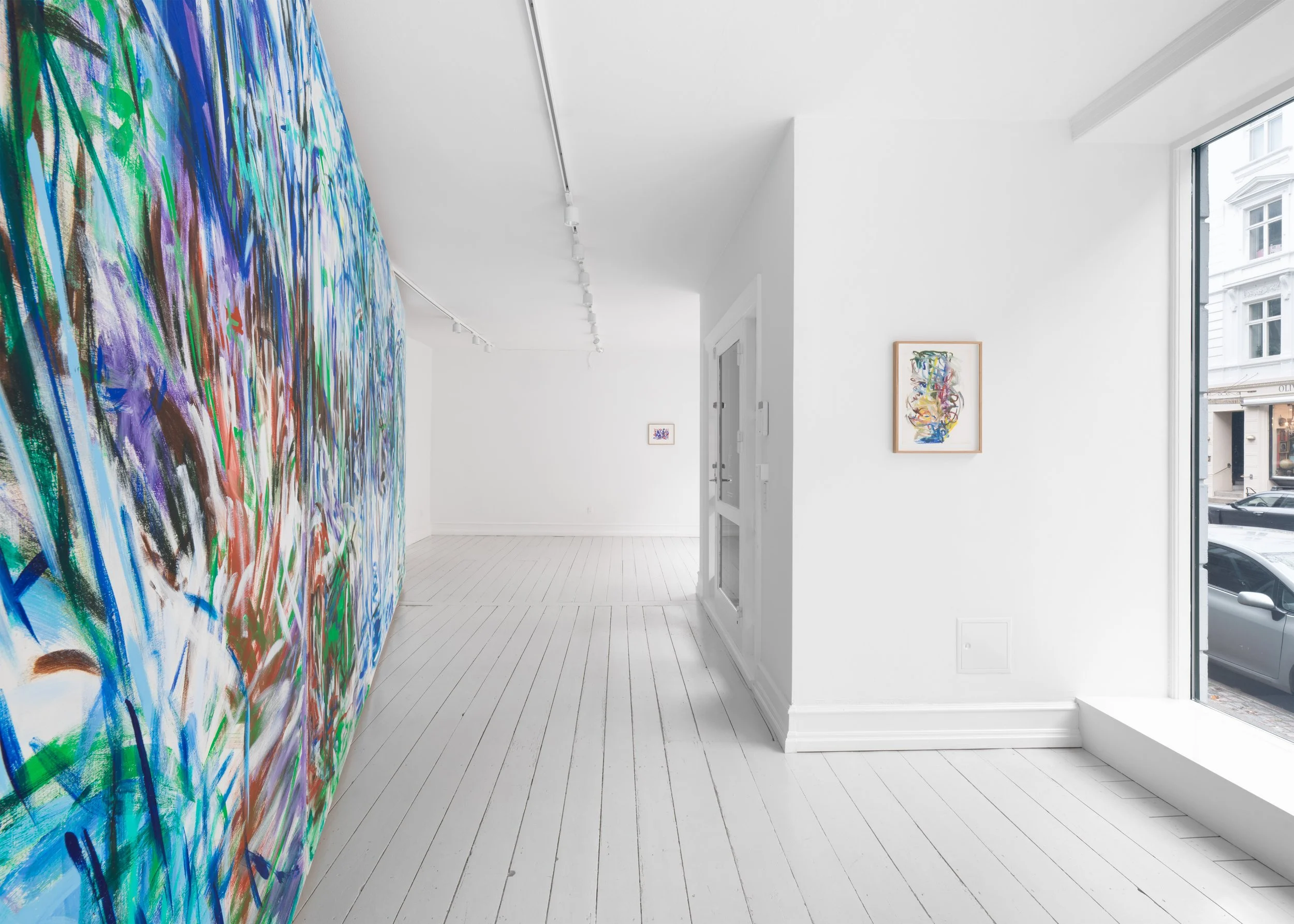
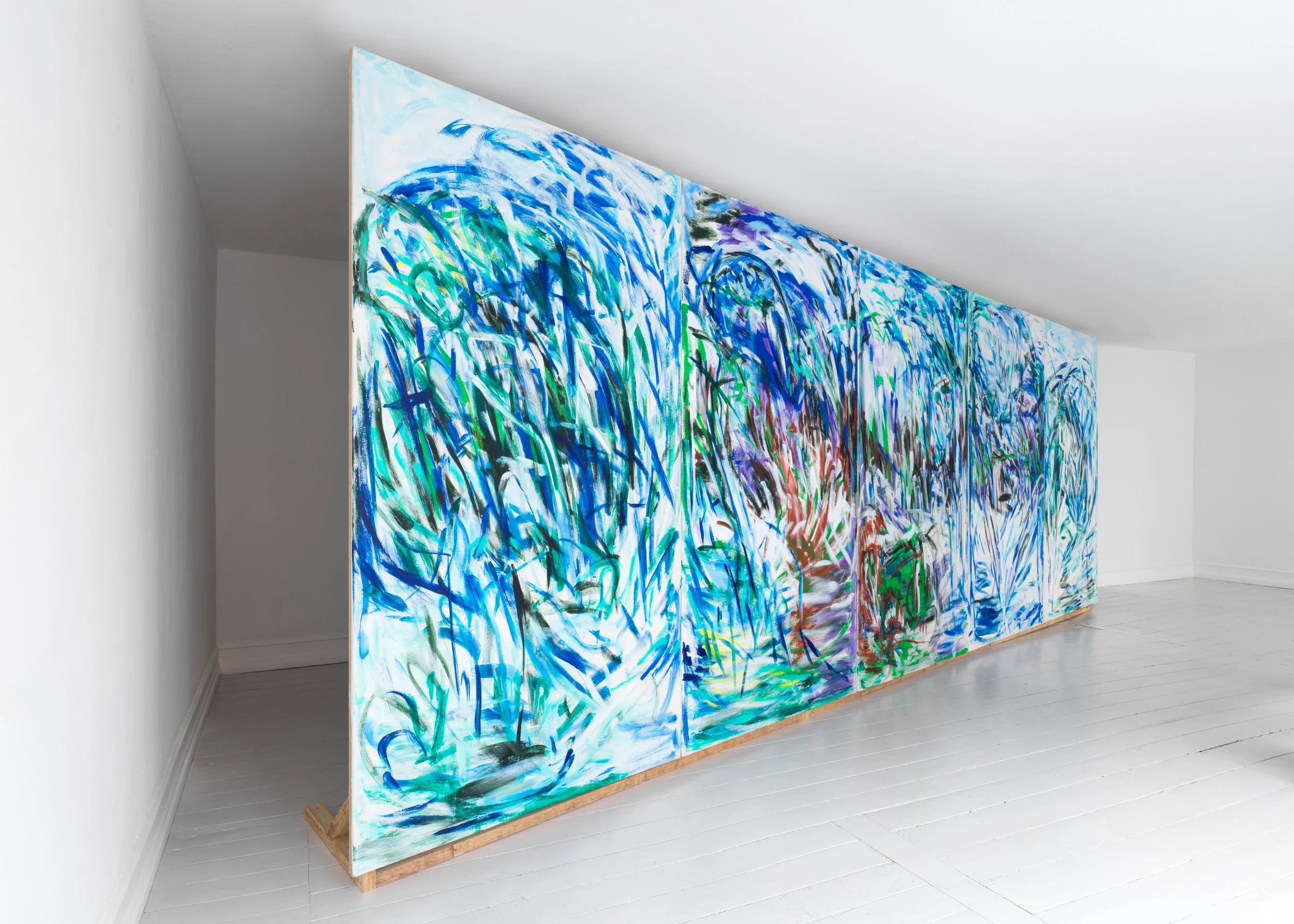
Photos by Sofus Graae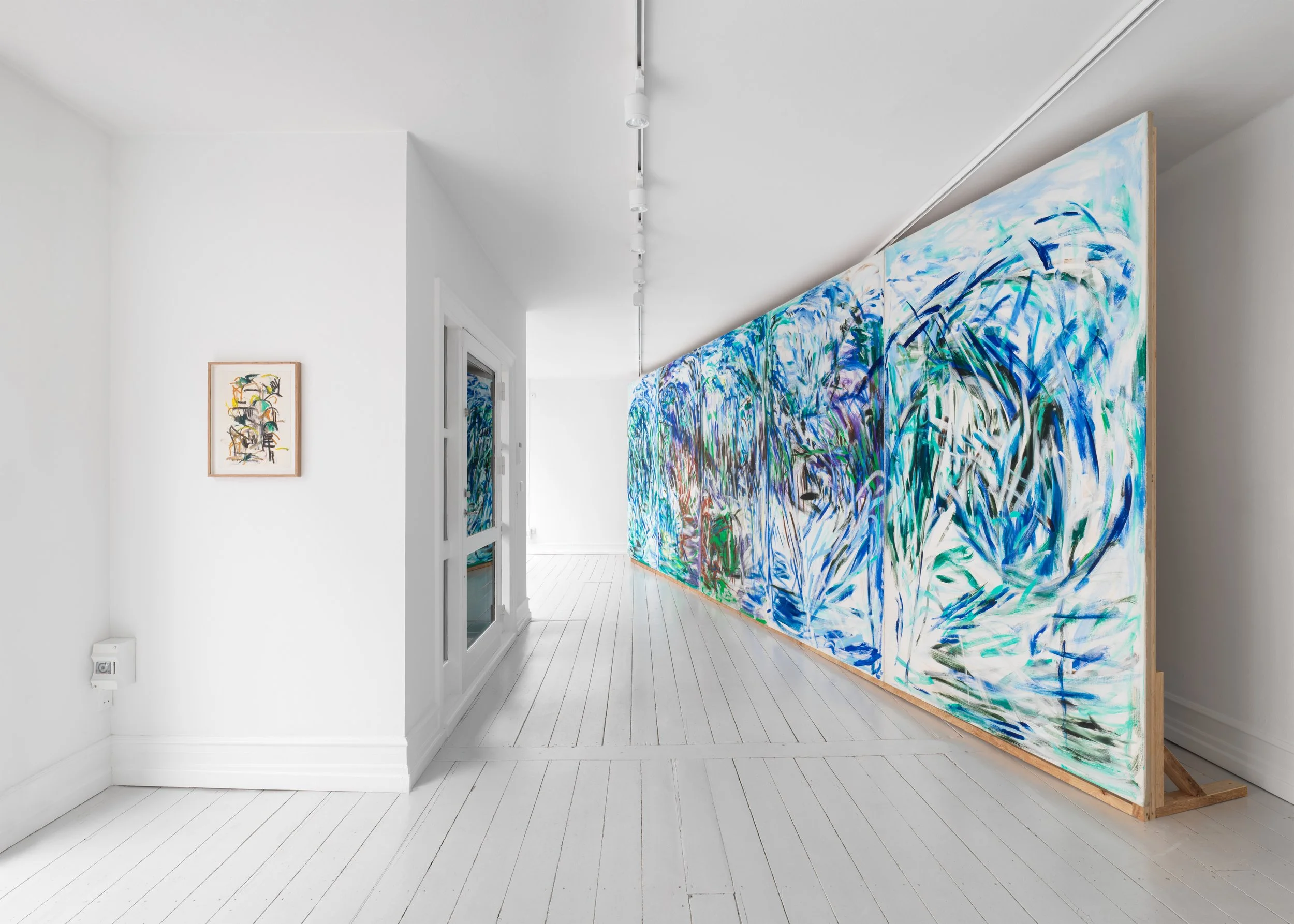
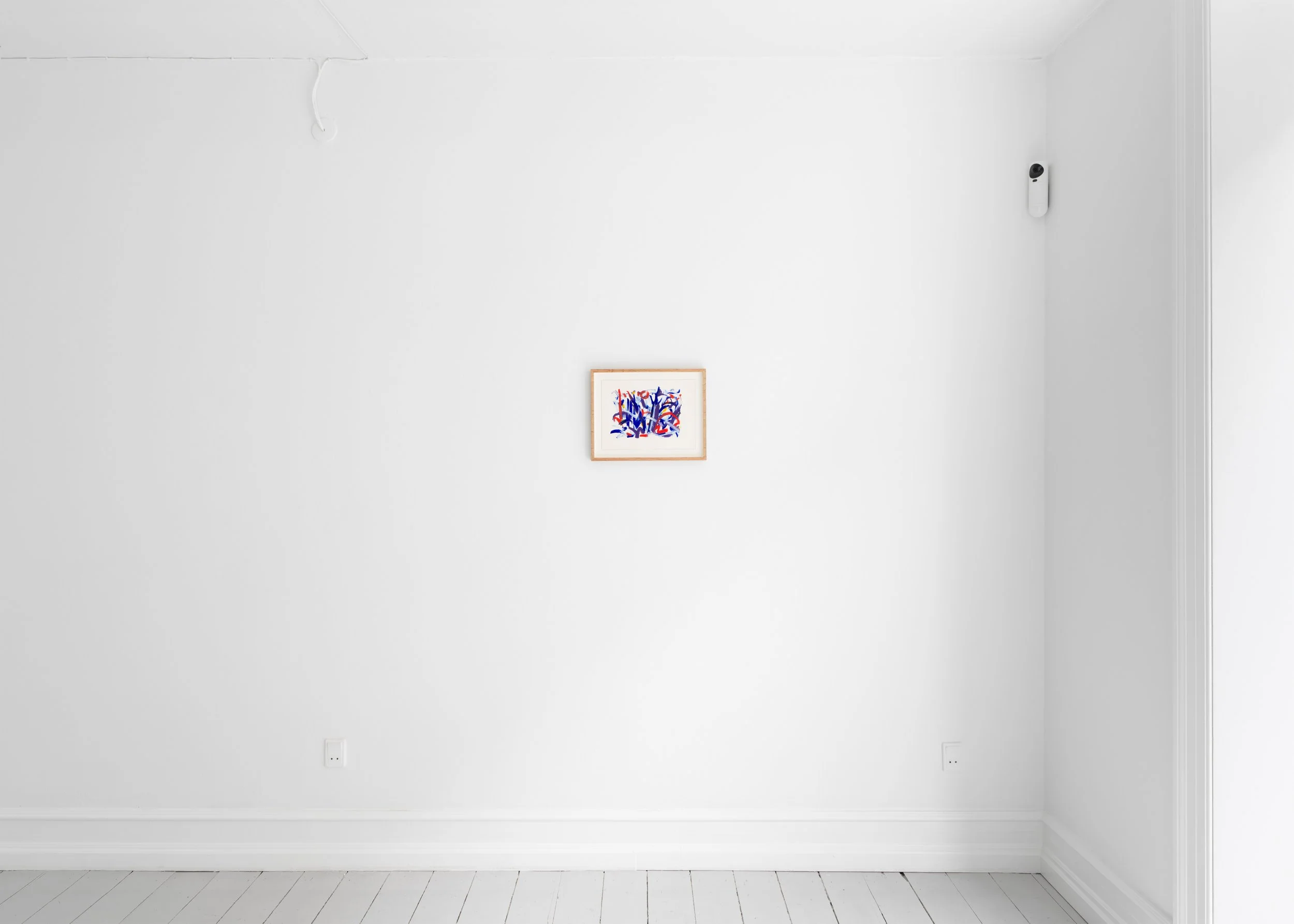
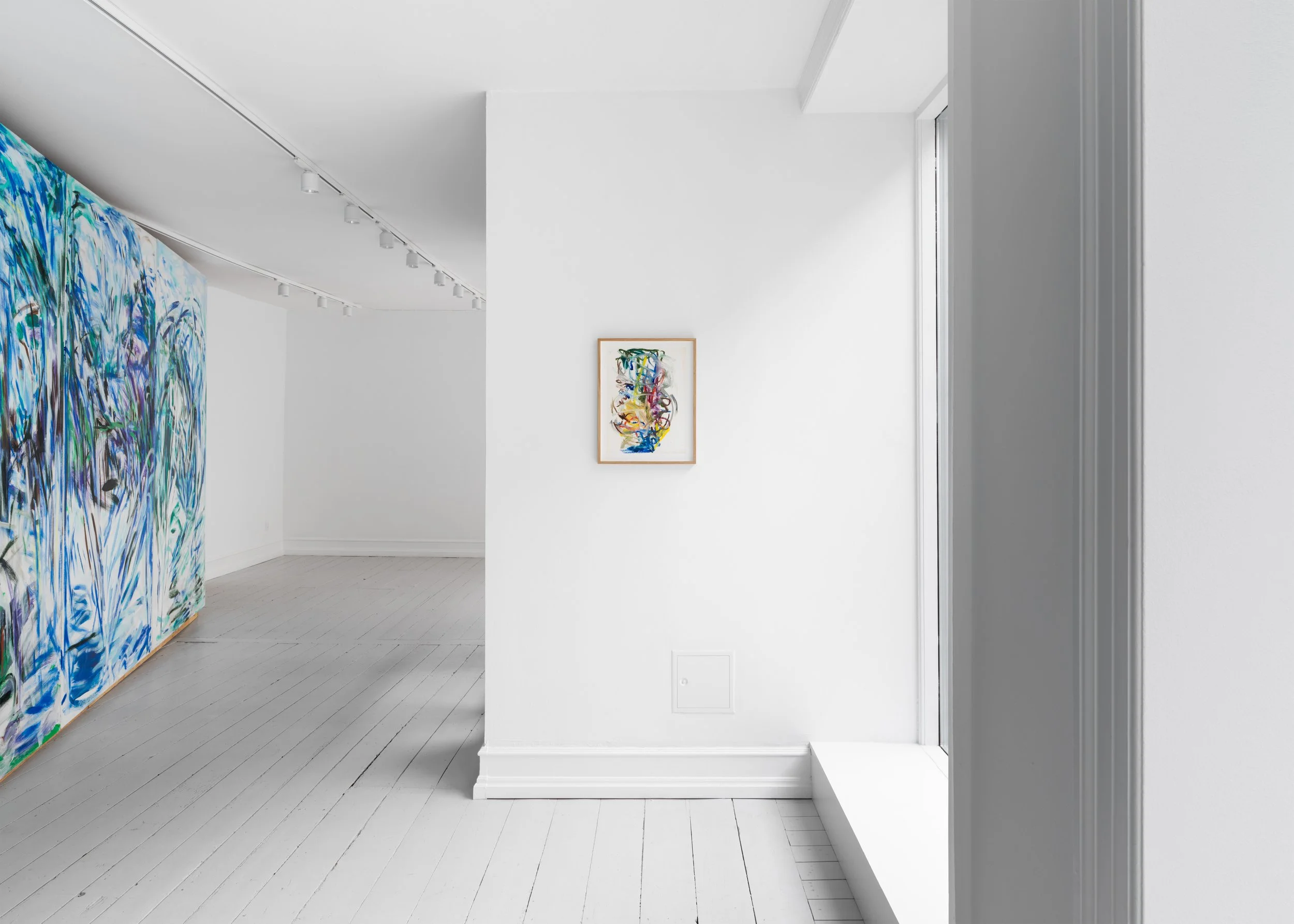
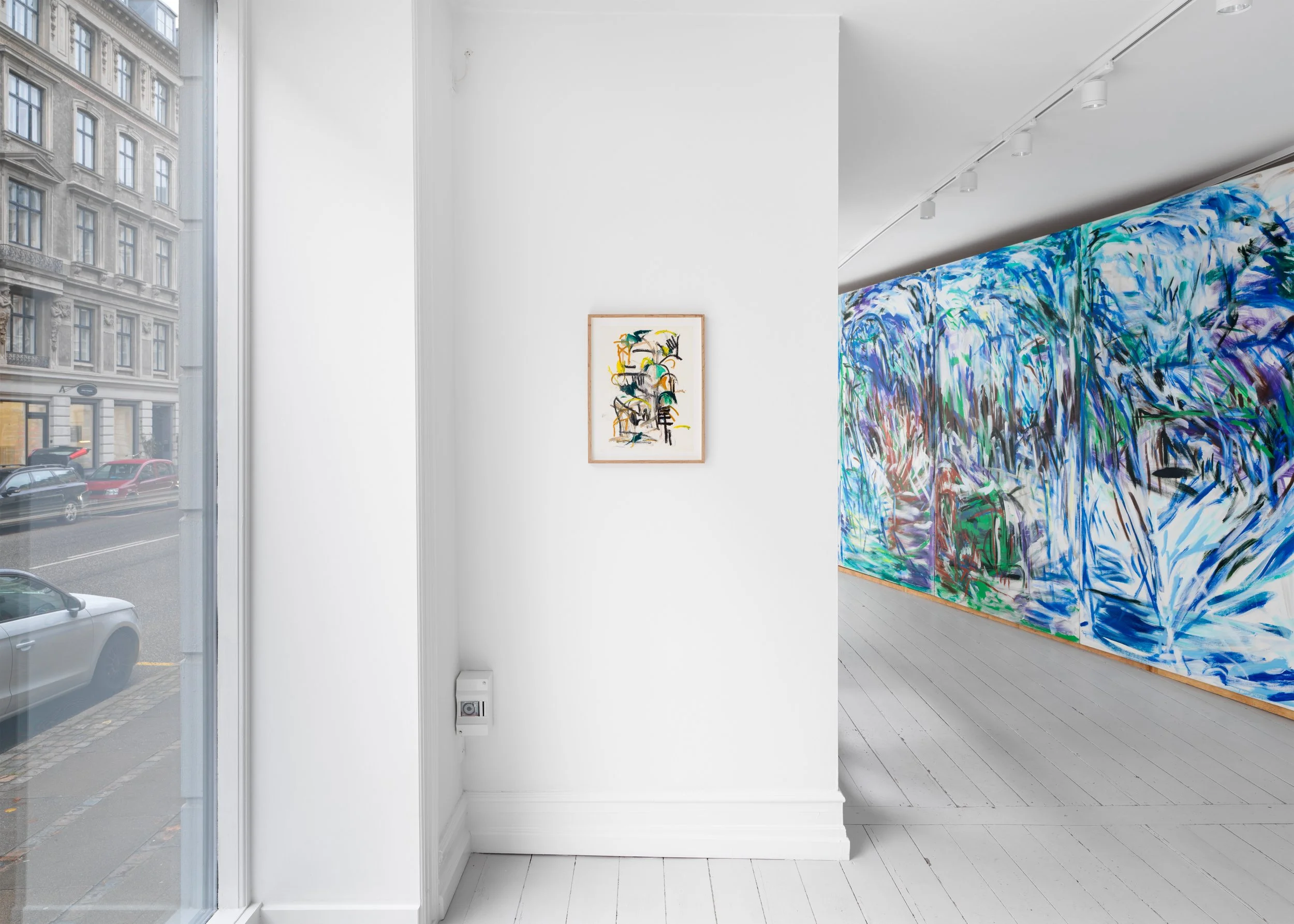
Eva weis bentzon
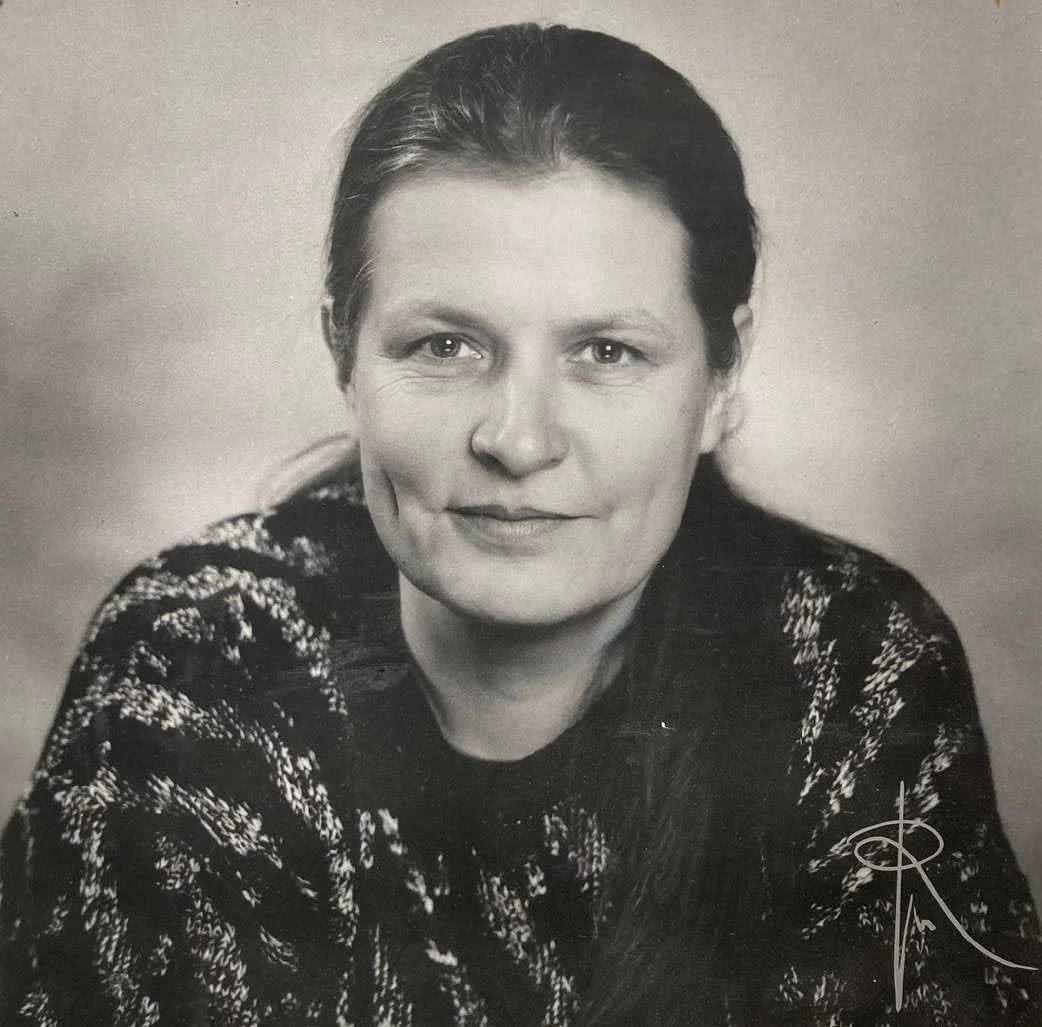
Portrait of Eva Weis Bentzon
Lived 1944 - 2018, born in Copenhagen Lived and worked in Copenhagen and New York Graduated from Kunsthåndværkerskolen Copenhagen, 1968 and Kunstgewerbeschule Basel, 1971
Throughout her life, Eva Weis Bentzon lived and worked in Copenhagen, Amsterdam, Paris, and New York. Her practice was driven by a deep curiosity about natural science, spirituality, and the modern human condition. Her paintings from the 1980s and 1990s are marked by bold, expressionist brushstrokes that bear witness to their moment of creation — works that embody both passion and immediacy. Movement, rhythm, and gravity were central themes in her art, informed by her fascination with modern dance and cross-disciplinary collaboration. During her years in New York, Weis Bentzon became part of Manhattan’s dynamic art scene, forming lasting friendships with leading artists including Jasper Johns, whose collaborations with Merce Cunningham she had long admired. In 1980, she participated in a group exhibition at the Leo Castelli Gallery, one of the most influential venues for avant-garde art of the era. Her work also drew the attention of the Solomon R. Guggenheim Museum, which acquired three works on paper by her and included them in a museum exhibition in 1982. Reflecting on her artistic position, Thomas Messer, Director Emeritus of the Guggenheim, wrote in 2004: “The search for accommodation between figurative and non-figurative painting continues to fascinate artists and their public. It is one that Eva Weis Bentzon is facing honestly in her own way. Clearly, she is aware that all painting, whether conveying recognizable content or not, is abstracting reality, and that on the other hand painting unrelated to the visual experience remains outside the scope of art.” These words echo Bentzon’s own reflections from an interview in 1987, where she spoke about her lifelong attempt to “find balance between what can be seen and what can only be felt.” She described herself as a child acutely aware of light and color — “a sensory world too vast for words” — and painting became her way to translate that experience into form. For Bentzon, words were often insufficient: “I painted, and heard a voice whisper — be yourself.” This inner dialogue, between silence and expression, intuition and intellect, runs through her entire body of work. As she noted, painting was not merely a discipline but “a necessity of being” — an act through which the visible and invisible could meet. This articulation resonates deeply with Bentzon’s lifelong search to balance material gesture and metaphysical inquiry — a search that lies at the heart of Gåde! itself. In her own words, Bentzon saw painting as a riddle (gåde in Danish) — a merging of physical act and spiritual insight. Her work stands as a testament to painting’s capacity to hold the paradox between body and spirit, chaos and order, immediacy and transcendence.